


Start With a Clear Surface
Your desk isn't just a workspace — it's the foundation for your entire day. When you sit down to work, everything visible either helps or hurts your focus. That pile of papers? It's distracting. Those old coffee cups? They're pulling your attention.
The first step is ruthless. Clear your desk completely. Yes, everything. It'll take 30 minutes, maybe less. You're not throwing things away — you're moving them temporarily. Once you've got bare wood or clean surface, you can see what you actually need and what's just taking up space.
We've found that people who start here notice the biggest difference immediately. Your brain stops processing visual clutter and starts focusing on actual work. It's not magic — it's just how our brains work. Less to see means more mental energy for thinking.

Organize What You Actually Use
Here's where most people go wrong. They buy fancy organizers and try to cram everything into them. Then nothing fits, it looks worse than before, and they give up.
Instead, keep only what you use regularly. If you haven't touched that pen set in three months, it doesn't belong on your desk. Your most-used items — pen, notebook, maybe a phone — should be within arm's reach. Everything else lives in a drawer or cabinet nearby.
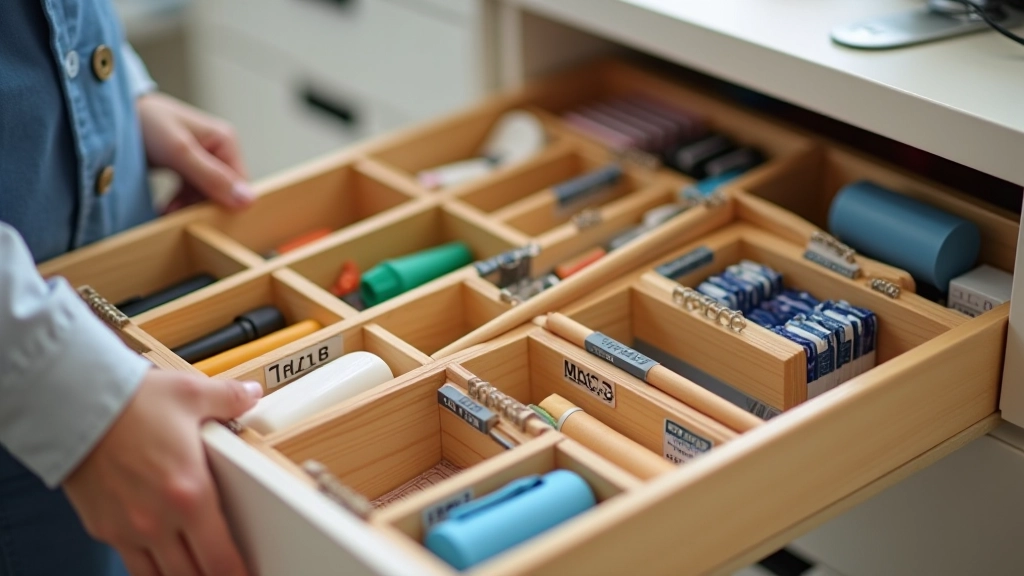
Use simple containers. Small trays for pens. A mug for pencils. A shallow drawer organizer for sticky notes. Nothing fancy. The goal isn't to make it look Instagram-perfect. It's to make it functional. You should know exactly where to find something without hunting.
Pro tip: Label everything. Sounds tedious, but it takes five minutes and saves you hours. Plus, if you share the space, everyone knows where things go.
Create Zones for Different Tasks
Your brain works better when spaces are dedicated. If you're using the same corner for eating lunch and doing focused work, your mind gets confused about what mode you're in.
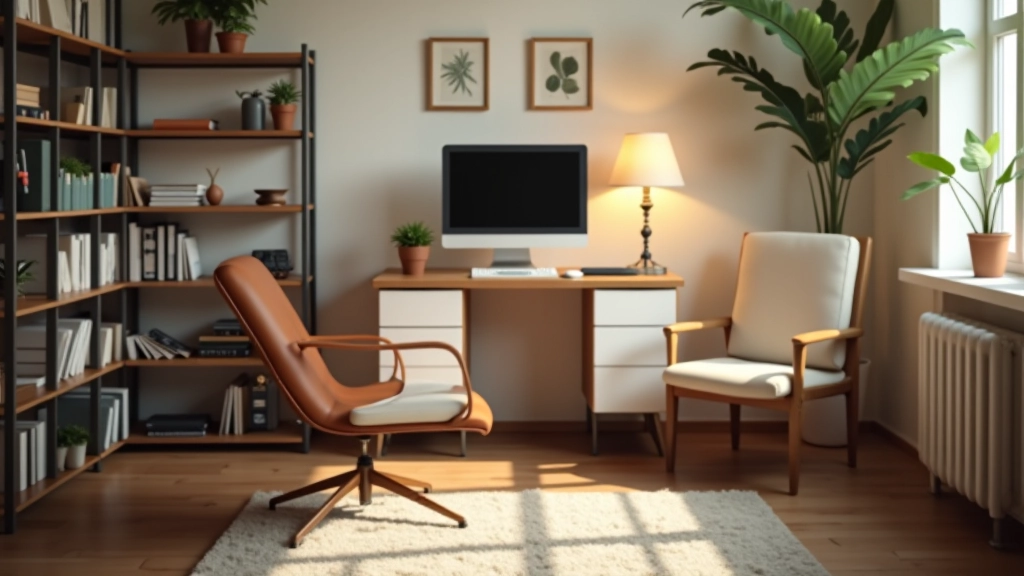
Split your workspace into zones. Your main work zone is where the computer lives — that's for serious tasks. A small reading zone with a comfortable chair nearby is where you review documents. A storage zone has everything else. Even in a small room, you can create these mentally by keeping zones clear and separate.
This works because your brain creates visual anchors. You sit at the desk = time to concentrate. You move to the chair = time to read and think. This mental shift alone improves focus by 15-20% based on our experience with clients. Your environment is literally telling your brain what to do.

Paper Management System
Paper accumulates. It's inevitable. Without a system, you'll end up with documents scattered everywhere, and you won't remember where anything is.
Create three categories: action items, reference materials, and archive. Action items go in an inbox on your desk — things that need response or decision. Reference materials live in a nearby drawer or filing system. Archive goes in storage. Every piece of paper should fit one of these categories.
The key is consistency. When something new arrives, immediately sort it. Don't let it sit. We've noticed that people who do this spend 10 minutes per day on paper management instead of spending an hour on Friday digging through piles. That's six hours saved per week.
Weekly Paper Review
- Check your action inbox every Monday
- Move completed items to archive
- Recycle anything you won't need again
- Friday cleanup: 10 minutes to organize the week
Cable Management and Technology
Cables everywhere? That's a focus killer. Your eyes keep catching on the mess, even if you're not consciously aware of it. Take an afternoon and fix this properly.
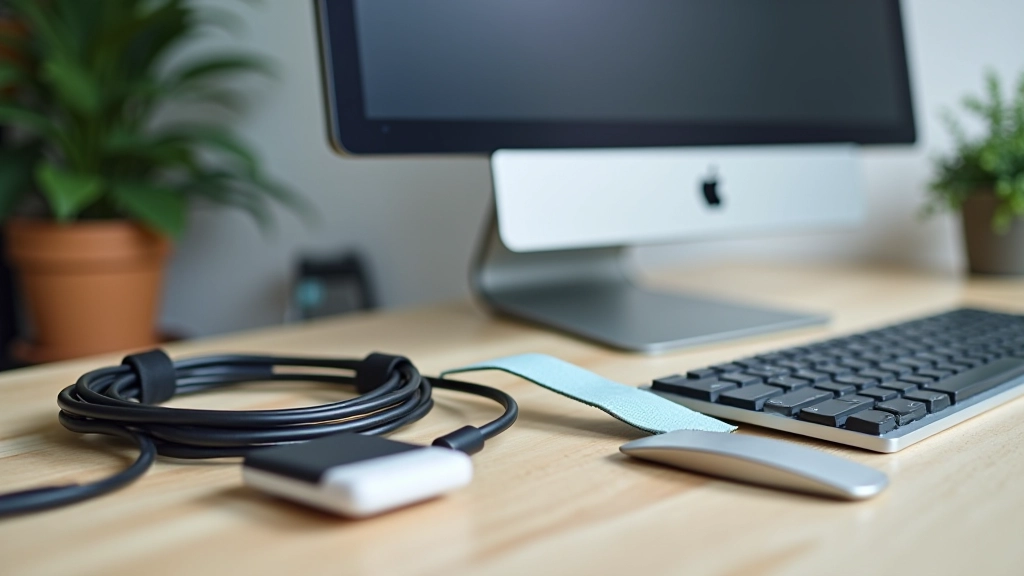
Bundle cables together with velcro straps or cable sleeves. Route them behind or under your desk so they're not visible. Label each cable at both ends so you know what's what. A simple label maker solves 90% of cable confusion. You're not going to remember if that black cable powers the monitor or the speaker.
Keep only the technology you use. That old printer that broke two years ago? Get rid of it. The extra monitor you're not using? Find it a home elsewhere. Every device should have a clear purpose. Clutter, even technological clutter, creates mental drag.
The Real Impact of a Focused Workspace
You might think this is just about aesthetics. It's not. An organized office directly impacts your ability to concentrate. When your environment is clean and intentional, your brain can focus on actual work instead of processing visual noise.
We've worked with dozens of people who implemented these systems. The most common feedback? "I didn't realize how much mental energy I was wasting on visual clutter." They report better focus, fewer interruptions, and ironically, faster work completion.
Start small. Pick one area — your desk, your paper system, or your cables. Spend two hours organizing it properly. Then maintain it. That's the part people miss. Organization isn't a one-time project. It's a habit. Spend 10 minutes daily keeping things in place, and you'll never go back to chaos.
Your office should work for you, not against you. Make that investment in yourself.
Disclaimer
This article provides general guidance on office organization and workspace management. Results and effectiveness vary based on individual circumstances, workspace size, and personal working styles. The techniques described here are based on common organizational principles and may need adaptation for your specific situation. Always consider your unique needs and preferences when implementing organizational systems.
Related Articles