
Why Switch to Natural Cleaning?
Most commercial bathroom cleaners contain bleach, ammonia, or other harsh chemicals that can irritate your skin and respiratory system. You don't need them. We've tested dozens of natural alternatives, and they're honestly just as effective.
The best part? You probably already have most ingredients at home. Vinegar, baking soda, and a few essential oils can handle nearly every bathroom cleaning task. They're cheaper, safer around kids and pets, and kinder to the environment. That's not a compromise — it's actually a better solution.
Safe for Everyone
No harsh fumes. No skin irritation. Safe around children and pets.
Budget-Friendly
Use ingredients you already have. Costs a fraction of commercial products.
Just as Effective
Cuts through soap scum and mildew as well as anything else.
The Three Essential Ingredients
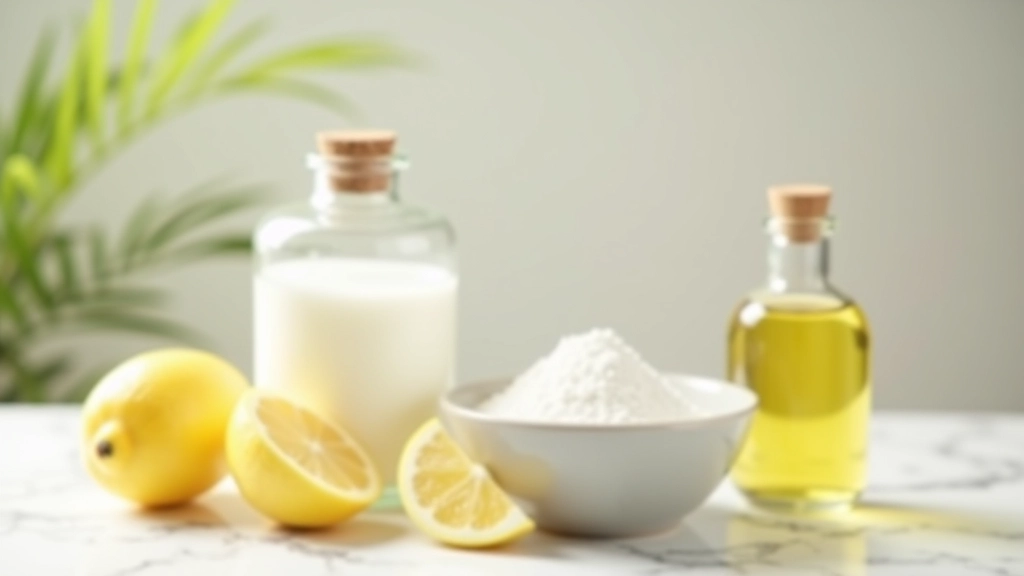
Start with these three basics. You'll be surprised how far they go. White vinegar is your workhorse — it cuts through hard water stains and soap buildup. Baking soda acts as a gentle abrasive and deodorizer. Together, they create a chemical reaction that lifts grime without scrubbing your arms off.
White Vinegar
Dissolves mineral deposits and kills bacteria. Use it straight or diluted 50/50 with water.
Baking Soda
Gentle scrub for tiles and tubs. Mix with water to form a paste, or combine with vinegar for foam action.
Essential Oils
Tea tree or lemon oil adds antimicrobial power and makes your bathroom smell fresh. A few drops go a long way.
Step-by-Step Cleaning Techniques
Spray and Soak
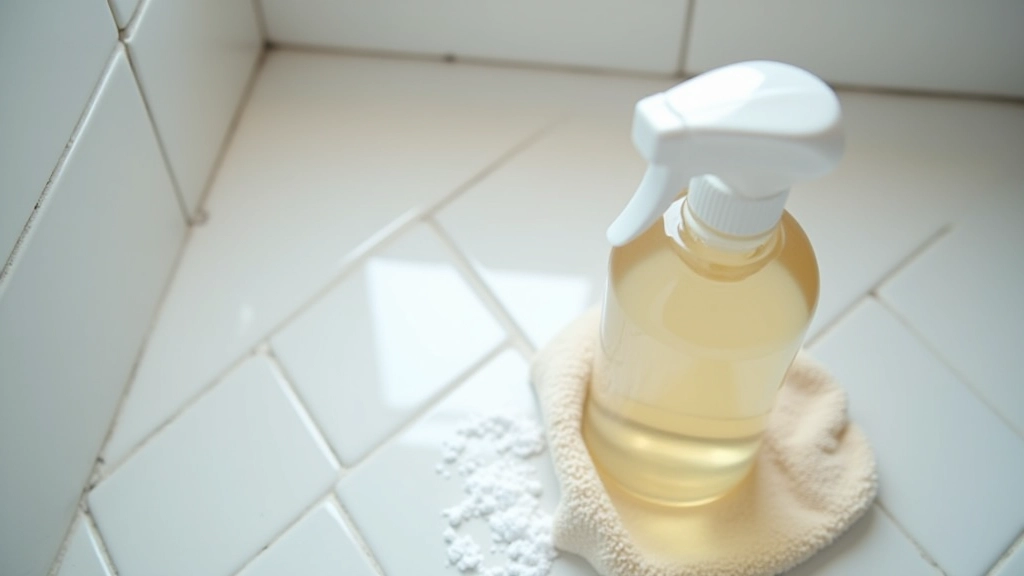
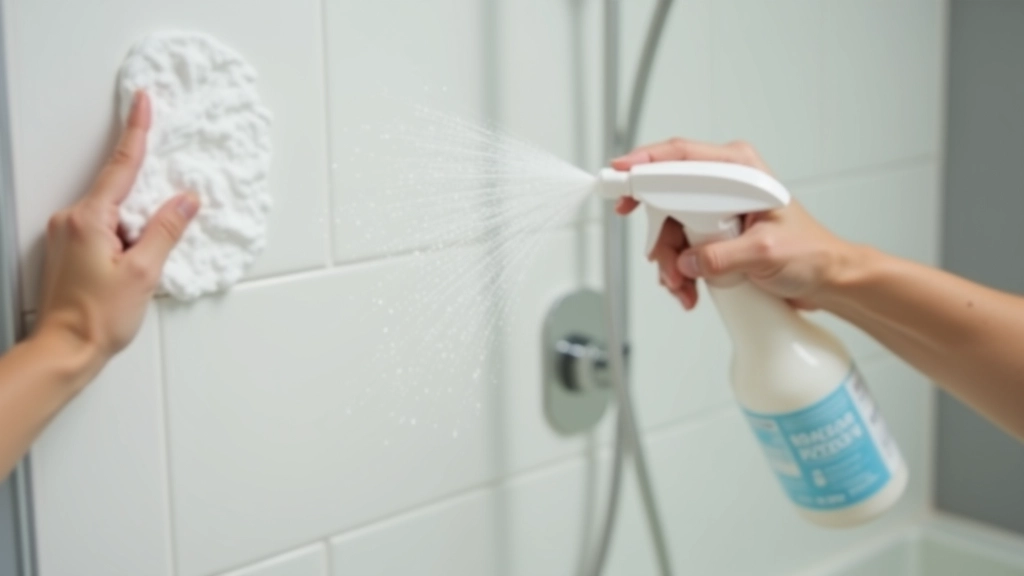
Fill a spray bottle with equal parts white vinegar and water. Spray tiles, mirrors, and the tub generously. Let it sit for 5-10 minutes — this loosens the grime without any scrubbing. You'll see the mineral deposits start to break down on their own.
Sprinkle and React
Sprinkle baking soda over the wet areas. It'll fizz and foam as it reacts with the vinegar. This reaction is what lifts stubborn soap scum and soap residue. The foam reaches into corners and grout lines naturally — no need to force it.
Wipe and Rinse
Use a soft cloth or sponge to wipe surfaces. For stubborn spots, let the paste sit another 5 minutes before wiping. Rinse thoroughly with water. For extra shine on mirrors, wipe with a microfiber cloth — no streaks, no chemicals.
Natural Solutions for Specific Problems
Mold and Mildew
Mix vinegar with a few drops of tea tree oil. Spray affected areas and let sit for 15 minutes. The tea tree oil is naturally antifungal — it actually kills mold rather than just masking it. Wipe with a brush for stubborn patches. Repeat weekly in high-moisture areas like shower corners.
Hard Water Stains
These mineral deposits respond well to vinegar's acidity. Make a paste of baking soda and vinegar, apply directly to stains, and let sit for 10 minutes. The combination breaks down calcium and magnesium buildup that commercial cleaners charge extra to remove. For stubborn rings around faucets, soak paper towels in vinegar and wrap them around for 30 minutes.
Soap Scum
This is where the vinegar-and-baking-soda combo really shines. The fizzing action specifically targets the waxy buildup that soap leaves behind. Spray vinegar first, then sprinkle baking soda and watch it work. Most scum lifts off in minutes without hard scrubbing that wears down grout.
Keeping Your Bathroom Fresh Between Deep Cleans
Deep cleaning every week or two is enough if you maintain between sessions. Here's what we recommend. After showers, squeegee the walls to prevent water spots and mold growth. Takes 30 seconds but saves you hours of scrubbing later. Keep a spray bottle of diluted vinegar in the bathroom — spray the tub after each use and wipe it down. Quick daily habits mean your deep clean is never actually that deep.
Ventilation matters too. Run the exhaust fan during and for 15 minutes after showers. Moisture is what feeds mold and mildew. If your bathroom doesn't have a fan, open a window or keep the door open. This single change often cuts mold problems in half without any extra cleaning effort.
Common Questions
Is vinegar strong enough to kill bacteria?
Yes. Vinegar's acidity (around 5%) kills most household bacteria effectively. It's been used as a disinfectant for centuries. For extra antimicrobial power, add tea tree or eucalyptus oil. If you're concerned about specific bacteria or germs, vinegar works well for general bathroom sanitation and daily cleaning.
Will this damage my bathroom fixtures?
Natural solutions are gentler than commercial cleaners. Vinegar and baking soda won't damage chrome, stainless steel, or sealed stone. For marble or granite, avoid vinegar — use baking soda paste instead since these stone types are acid-sensitive. Always test on a small area first if you're unsure about your specific surfaces.
How long does vinegar smell last?
The smell fades within minutes once surfaces dry. You can speed this up by opening a window or running the exhaust fan. Add essential oils to your vinegar solution — lemon or lavender work great and actually improve the scent. Some people prefer the vinegar smell to chemical odors anyway.
Can I mix these solutions with anything else?
Don't mix vinegar with bleach — that creates toxic chlorine gas. Don't mix with hydrogen peroxide either. Stick to vinegar, baking soda, and essential oils. These three work together and separately without dangerous reactions. Keep it simple and safe.
Making the Switch Is Easier Than You Think
You don't need a cabinet full of specialized cleaners. Vinegar, baking soda, and water handle almost everything. Your bathroom gets just as clean. You spend less money. Your hands don't get irritated. The air doesn't smell like a chemical plant.
Start with one cleaning session using these natural solutions. You'll notice immediately how effective they are. Then make it your regular routine. Within a month, you'll wonder why you ever used harsh chemicals in the first place. It's genuinely a better approach — not a compromise, a real upgrade.
Important Notice
This article provides educational information about natural cleaning methods. The information is intended for general knowledge purposes only and reflects common household practices. Always test cleaning solutions on inconspicuous areas first, especially on delicate surfaces like natural stone or specialty finishes. Results may vary based on water hardness, surface type, and specific cleaning challenges in your home. If you have health concerns related to cleaning products or chemical sensitivities, consult with a healthcare professional.