
Quick Daily Habits That Keep Your Flat Looking Fresh
Five simple routines you can do in 10 minutes each day that actually make a diff...
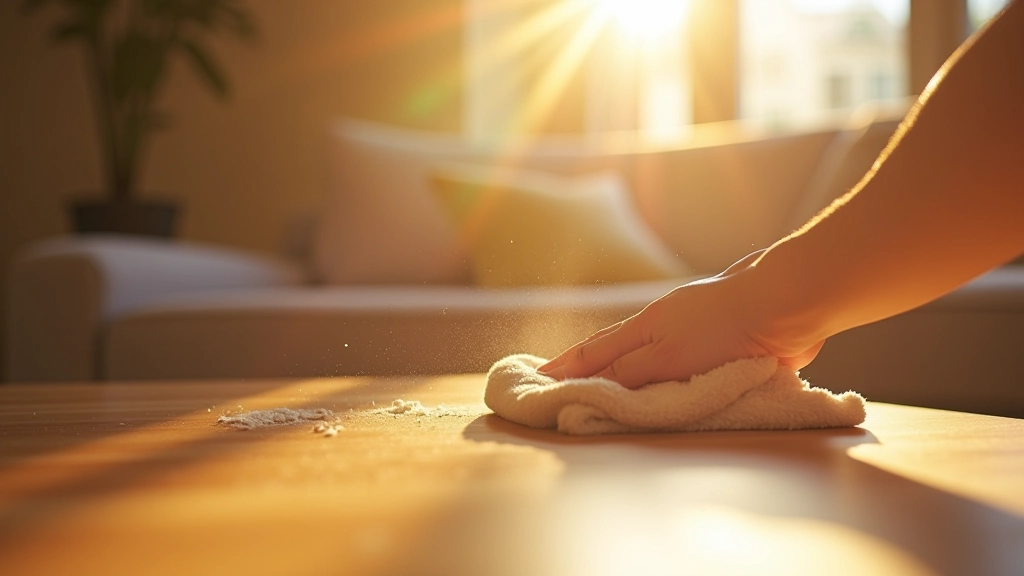

Here's the thing about dust — it's not just annoying, it's relentless. You clean on Sunday, and by Wednesday you're already seeing it settle on your shelves again. That's because dust isn't just one thing. It's dead skin cells, fabric fibers, pollen, pet dander, and particles from outside. Your home produces about 40 pounds of dust per year, whether you like it or not.
The real problem isn't that dust exists. The real problem is that most people use techniques that don't actually address where dust comes from and how it settles. You'll learn the methods that actually work — not the shortcuts that just push dust around.
Average dust produced yearly in a home
Typical dust settlement cycle on surfaces
Dust reduction with proper technique
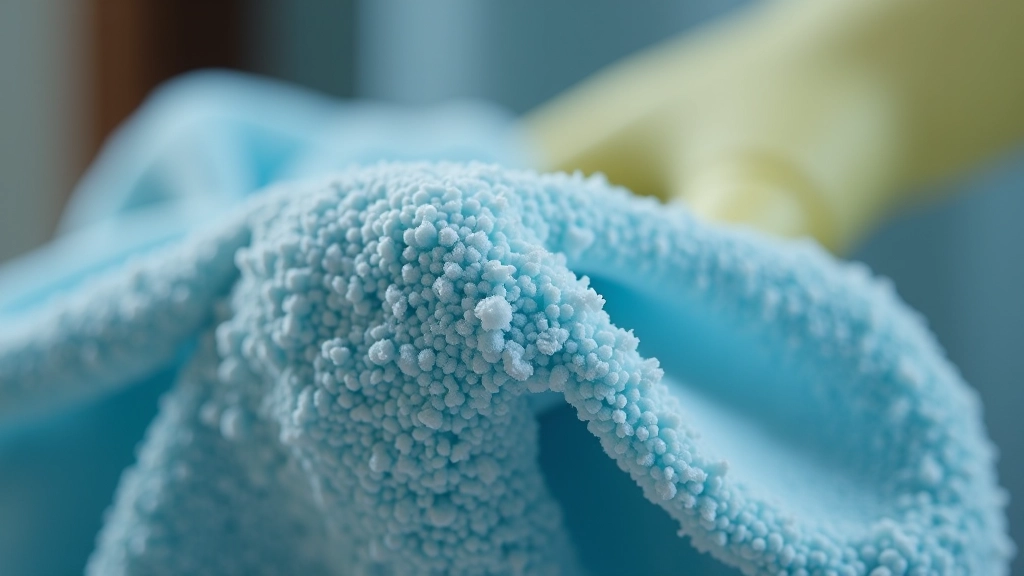
You don't need much, but you need the right equipment. A dry cloth doesn't trap dust — it just moves it around. Microfiber is where the real difference happens. These cloths have millions of tiny fibers that actually grab dust particles instead of scattering them.
Start with a microfiber cloth (they're cheap, honestly), and that alone changes everything. Dampening it slightly makes it even more effective. Not soaking wet — just barely damp. The moisture helps fibers grip particles without leaving streaks.
Use microfiber cloth, not cotton
Lightly dampen with water
Wipe from top to bottom
Rinse cloth, don't reuse dry
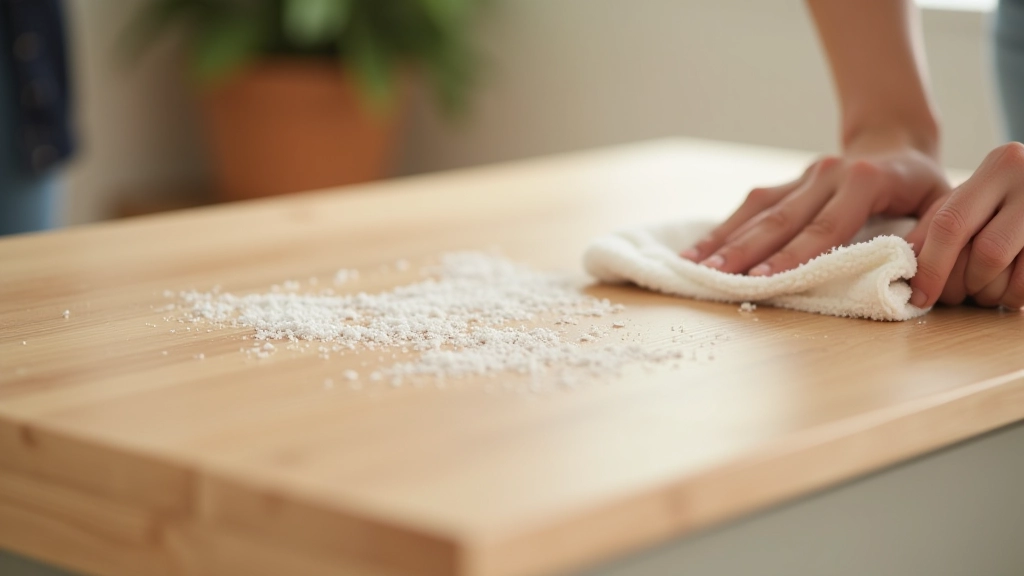
This is where most people get it wrong. You've probably been wiping in random directions. That spreads dust around instead of removing it. The correct approach is to wipe from top to bottom, always. Gravity pulls dust down anyway, so you're working with physics instead of against it.
Think about your bedroom shelves. Dust settles on the top of objects. If you wipe left to right, you're pushing particles sideways where they'll just settle again. Wipe top to bottom, and gravity carries dust off the surface completely.
Another thing — don't go back over the same spot. Once you've wiped a surface, that area's clean. Going over it again just redistributes whatever particles are on your cloth. Wipe once, then move on.
Most people dust when they can see it. That's backward. By the time dust is visible, it's already been settling for days and has attracted moisture and other particles. You're cleaning when the problem's worst.
The better approach is to dust on a schedule, before you see the buildup. For a typical flat in Brno, dusting high-traffic areas (living room, bedroom) every 5-7 days keeps surfaces ahead of the problem. Less-used spaces (guest room, closets) can go 10-14 days.
Room Type
Frequency
Why
Living Room
Every 5-7 days
Most air circulation
Bedroom
Every 7-10 days
Medium traffic area
Kitchen
Every 5 days
Cooking particles settle fast
Office/Study
Every 7-10 days
Lower traffic, less disturbance

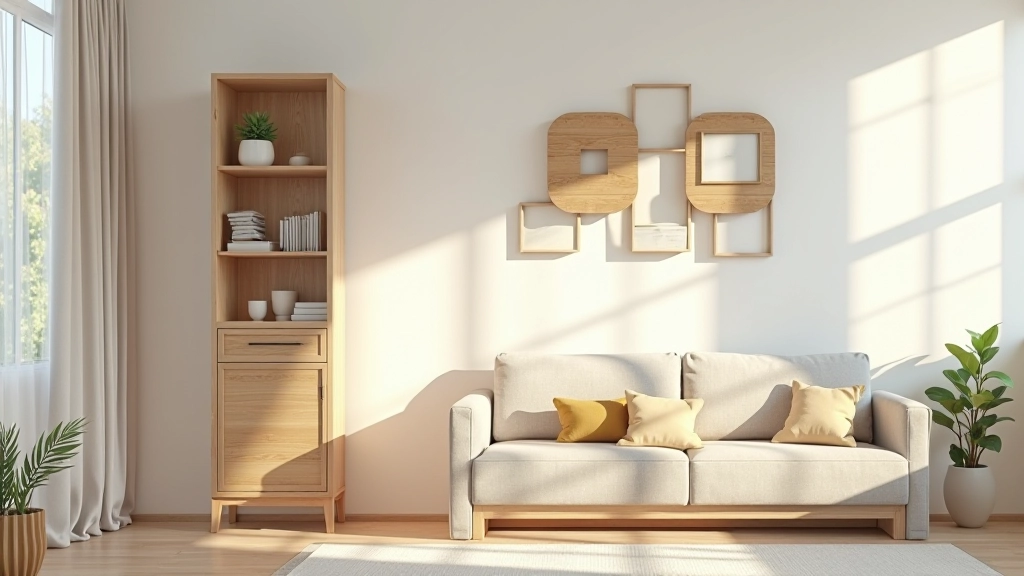
Wood, glass, and fabric all trap dust differently. Wood has grain and pores where dust settles into crevices. You need slightly more moisture here and a cloth that can get into those spaces. Glass shows every particle, which is actually helpful — you can see when you've actually removed dust instead of just spreading it around.
Fabric and upholstery are trickier. A vacuum with an upholstery attachment works better than a cloth for most fabrics. But if you're using a cloth on velvet or delicate textiles, use a dry microfiber. Adding moisture to fabric can leave stains or cause mildew.
Electronics are their own category. Dust blocks ventilation on screens, monitors, and devices, which actually damages them over time. Use a dry microfiber cloth, and don't spray anything directly on electronics. The moisture can cause real problems.
Here's the secret nobody talks about: reducing dust production is easier than cleaning it constantly. You can't eliminate dust entirely, but you can cut how much settles in your flat.
Air quality matters. If you've got windows that open (which you likely do in a Brno flat), opening them for 10-15 minutes daily creates airflow that pushes dust out instead of letting it settle. But don't do this during high pollen season — that just brings more dust in.
Fabric also generates dust. Curtains, rugs, upholstered furniture — they all shed fibers. You can't remove them, but you can vacuum regularly and choose tighter-weave fabrics if you're replacing things. Hardwood or tile floors instead of carpet makes a measurable difference — we're talking 30-40% less dust in the air.
Open windows 10-15 minutes daily (off-season). Creates circulation that prevents settling.
Hardwood or tile reduces airborne dust. Carpets shed more particles into circulation.
Replace HVAC/vacuum filters every 2-3 months. Clogged filters stop catching new dust.
Keep humidity 30-50%. Too dry causes static that spreads dust. Too humid attracts particles.
You don't need fancy products or extreme methods. What you need is the right technique applied consistently. Microfiber cloth. Top-to-bottom direction. Regular schedule before dust becomes visible. Different approaches for different surfaces. That's the whole system, and it works because it addresses how dust actually behaves.
The first time you implement this approach, you'll notice the difference. Surfaces stay cleaner longer. The dust doesn't seem to come back as fast. That's because you're actually removing it instead of redistributing it. Once you've got the method down, it becomes automatic. You'll spend less time fighting dust and more time enjoying a genuinely clean space.
This article provides educational information about dust cleaning techniques and household maintenance practices. The methods described are based on general cleaning principles and best practices. Individual results may vary depending on your specific living situation, climate conditions, and home environment in Brno or elsewhere. For severe dust or air quality concerns, consider consulting with a professional cleaning service or air quality specialist. The recommendations here are for general informational purposes and should be adapted to your specific circumstances and needs.